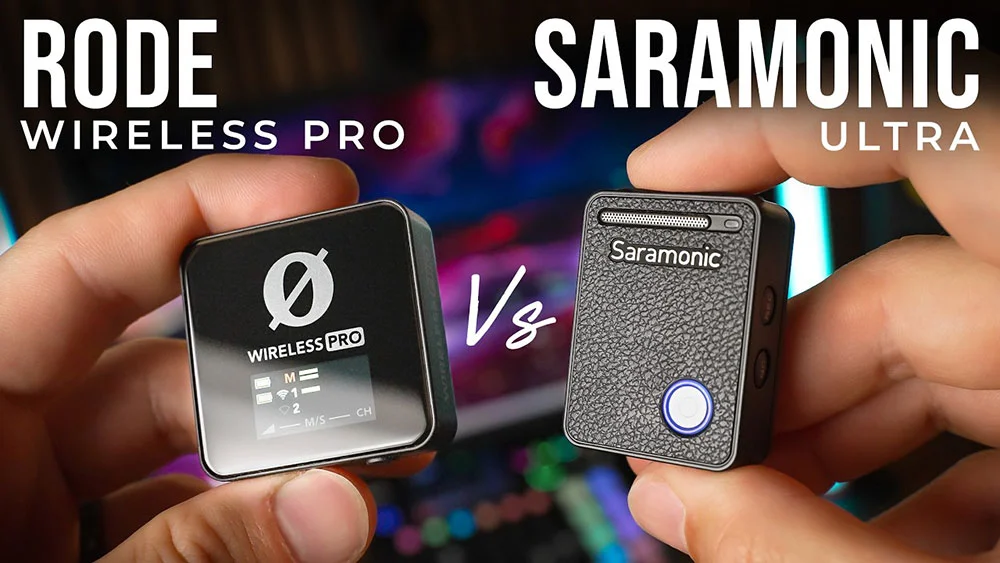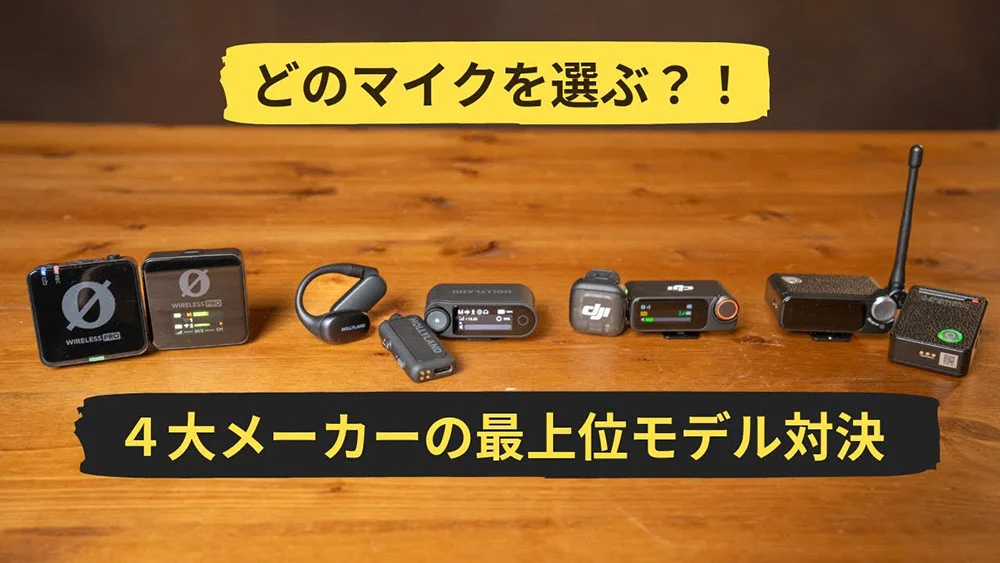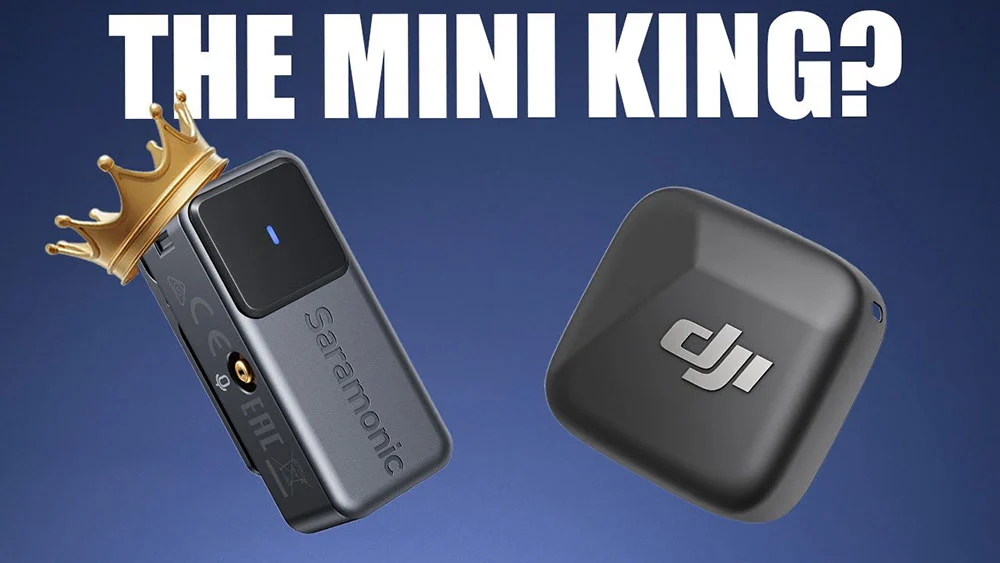



In the high-stakes world of content creation, audio quality is the bridge between a "home movie" and a professional production. In a recent comprehensive field test, renowned tech creator David Zhou put the latest wireless audio technology through its paces to see which flagship truly reigns supreme.
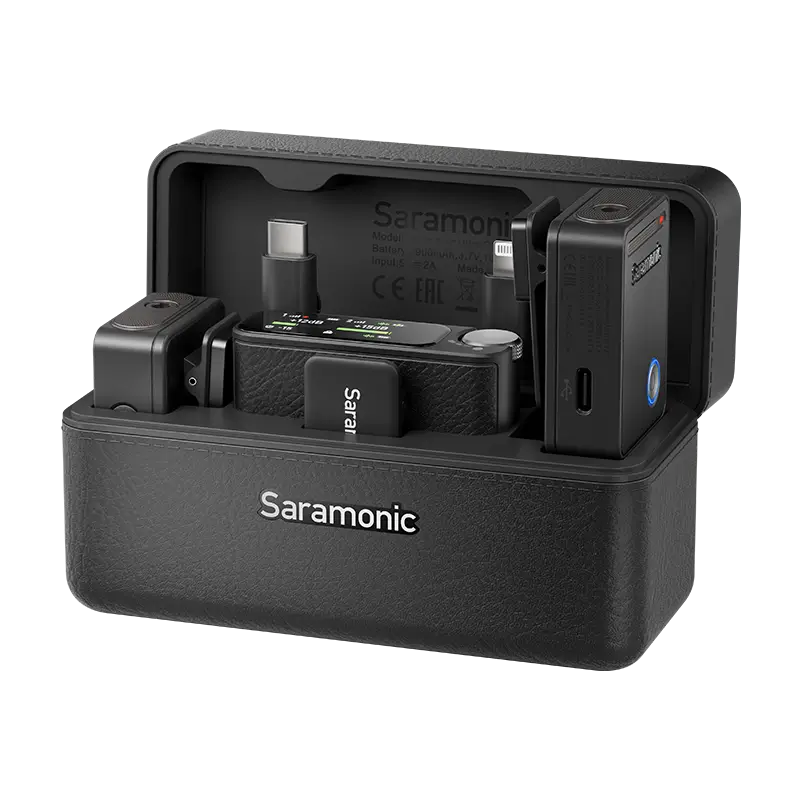
With the launch of the Saramonic Ultra, the wireless microphone market has a new heavyweight contender—a system boasting a detachable antenna, 32-bit Float internal recording, and professional Timecode synchronization. We break down David’s findings as he stacks the Saramonic Ultra up against the industry titans: DJI Mic 2, DJI Mic Mini, and RODE Wireless Pro.
Key Takeaways for Fast Decision Making
- Best Workflow Powerhouse: Saramonic Ultra (The all-in-one tool featuring 32-bit float, Timecode, and IPX5 water resistance).
- Best Sound Signature: RODE Wireless Pro (Broadcast-ready audio profile with the most generous internal storage).
- Best for DJI Ecosystem: DJI Mic 2 (Seamless, receiver-less integration with Pocket 3 and Action 5).
- Best Budget/Compact Option: DJI Mic Mini (Ultralight and affordable for social media beginners).
Is 32-bit Float Recording Really a "Lifesaver"?
Conclusion: In unpredictable shooting environments, 32-bit float recording acts as a vital "safety net," virtually eliminating the risk of ruined takes due to gain clipping.
The Saramonic Ultra supports 32-bit Float internal recording. This tech allows the microphone to capture a massive dynamic range, meaning even if a subject screams or whispers, the audio can be perfectly recovered in post-production without distortion.
Regarding this, David Zhou notes: "32-bit float is one of those features that, in my opinion, is a huge quality of life improvement because sometimes you put your microphones in a scenario that is uncontrolled."
The table below compares the core recording formats and internal storage capabilities of these four wireless systems:
| Feature | Saramonic Ultra | RODE Wireless Pro | DJI Mic 2 | DJI Mic Mini |
|---|---|---|---|---|
| 32-bit Float Recording | Supported | Supported | Supported | Not Supported |
| Internal Storage | 8 GB (~10 hours) | 32 GB | 8 GB | No Internal Storage |
| Timecode Support | Yes (Jam-sync) | Yes | No | No |
| Safety Channel | Supported | Supported | Supported | Not Supported |
When looking at core recording reliability, only the Saramonic Ultra and RODE Wireless Pro offer the trifecta of 32-bit Float, internal recording, and hardware-level Timecode support.
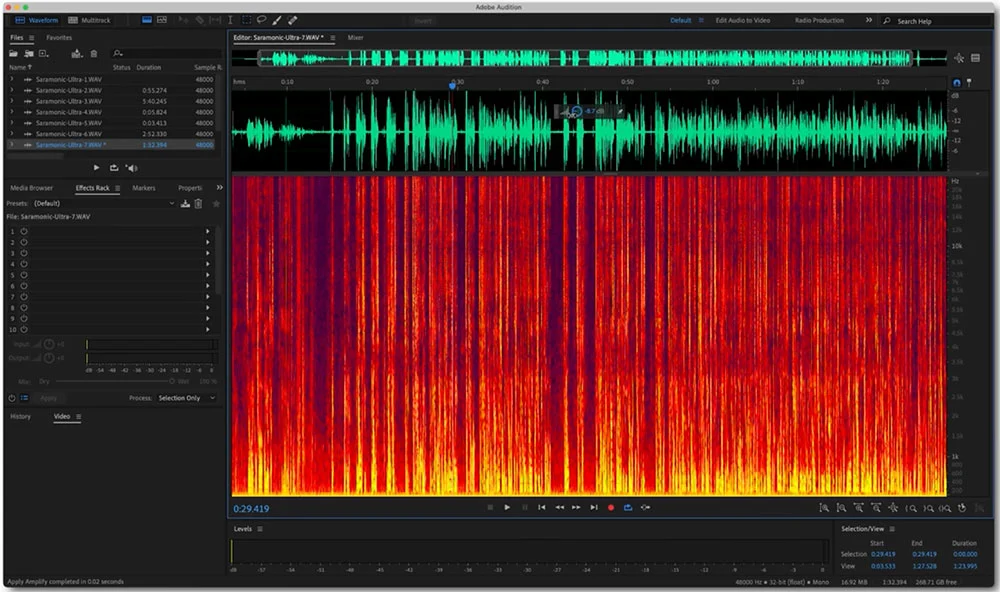
Why Should Pro Creators Care About Timecode?
Conclusion: Timecode synchronization is the ultimate "time-saver" in post-production, though its benefits are primarily felt in multi-cam or independent audio setups; for single-camera shooters, the value is less immediate.
For weddings, live events, or any project using multiple cameras, syncing audio manually by matching waveforms is a bottleneck.
David Zhou explains: "And when you have a system like this that can record time code into the audio recorders and it can also jam time code into your cameras, now you're able to take those two files into your editing software and just say, 'Hey, go ahead and sync up all the video and audio files based on the time code. And it'll just lay it all out for you. '"
Detachable Antennas: Gimmick or Game Changer?
Conclusion: The external antenna significantly boosts signal penetration and range, making the Saramonic Ultra more stable in crowded RF environments compared to internal-only designs.
While most brands claim a 250m range, "real-world" stability often drops when the talent turns their back to the receiver. The Saramonic Ultra counters this with a detachable antenna.
David Zhou's real-world test: "The Saramonic Ultra comes with this detachable antenna... and according to Saramonic, it can increase that maximum transmission distance up to 300 meters."
Durability & Noise Cancellation: Ready for the Elements?
Conclusion: The Saramonic Ultra stands out for its environmental resilience (IPX5 water resistance), while RODE maintains its lead in traditional broadcast-style audio fidelity.
The following table outlines the hardware durability, interface, and value for each unit:
| Specification | Saramonic Ultra | RODE Wireless Pro | DJI Mic 2 | DJI Mic Mini |
|---|---|---|---|---|
| IP Rating | IPX5 (Water/Sweat) | No Official Rating | No Official Rating | No Official Rating |
| User Interface | Touchscreen + Dial | Buttons + Screen | Touchscreen + Dial | Buttons Only |
| Battery Life | 6 Hours | 7 Hours | 6 Hours | 7 Hours (TX) |
| MSRP (USD) | $299 | $399 | $349 | $169 |
The Saramonic Ultra is the only microphone in this comparison with an IPX5 rating. Combined with its $299 price point, it offers the highest "bang-for-buck" for professional outdoor videographers.
Final Verdict: Which Wireless Mic Should You Buy?
If your priority is "Workflow Efficiency" rather than just a single audio spec, the choice becomes clear:
- For Professional Workflow & Value: Buy Saramonic Ultra. At $299, it provides 32-bit float, Timecode, IPX5 weather sealing, and includes two $50 lavalier mics for free. It is the most balanced production tool for video teams.
- For Best Sound & Storage: Buy RODE Wireless Pro. If you want the RODE "sound" and need massive 32GB internal storage for long shoots, this is the premium standard.
- For DJI Ecosystem Users: Buy DJI Mic 2. The ability to pair directly via Bluetooth with an Osmo Pocket 3 or Action 5 makes it the king of convenience for solo vloggers.
- For Ultra-Portability on a Budget: Buy DJI Mic Mini. A great entry point that focuses on the essentials—small, light, and reliable—without the cost of pro features like 32-bit float.
To learn more about the latest news from Saramonic, join in our official social media: Facebook, Youtube, Instagram, X, Facebook Group.
Frequently Asked Questions
Does 32-bit float mean I never have to set my gain levels again?
Yes, when recording internally in 32-bit float, you almost never have to worry about audio clipping due to incorrect gain settings. However, you should still set reasonable levels for your camera output to ensure proper monitoring.
Do I need extra hardware for Timecode on the Saramonic Ultra?
No. The Saramonic Ultra receiver has a built-in Jam-sync feature, allowing it to act as the "Master Clock" and sync with your cameras via a standard 3.5mm cable.
Is the IPX5 rating enough for underwater filming?
No. IPX5 is "Water Resistant"—it handles rain and sweat perfectly. It is NOT waterproof and should not be submerged.