
Wedding videography often requires multiple camera operators to work from different positions, especially during ceremonies where important moments happen only once. For a wedding videography team, clear communication is just as important as having the right cameras and lenses.
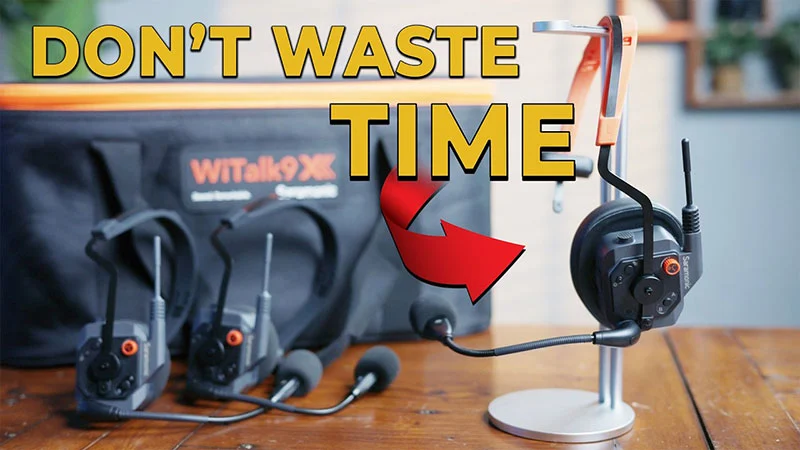
After experiencing occasional intercom interruptions at a busy hotel event, one wedding filmmaking team began testing the Saramonic WiTalk9 X, a wireless intercom system for wedding videography and other professional productions. Over approximately three to four months and six to seven weddings, the team evaluated its wireless performance, battery life, and usefulness in everyday production.
Their experience offers a practical look at whether wireless intercoms deserve a place in a wedding videographer's equipment kit—and which headset configuration makes the most sense.
💡 Key Takeaways
- Real-world wireless performance: The crew communicated successfully at approximately 200–250 meters, with one reported interruption farther away and inside a building.
- Battery endurance: The reviewer estimated 10.5–11 hours of cumulative use before replacing the batteries.
- Wedding coordination: The team used an intercom to synchronize a colored-smoke effect with the couple's kiss.
- Headset selection: The reviewer preferred the single-ear configuration for weddings, while recommending dual-ear headsets for louder productions.
- Production flexibility: Modular components, master headset controls, and mobile app management contributed to the system's usability.
Why Did This Wedding Filming Team Start Using Wireless Intercoms?
As the filming team grew, coordinating camera positions during wedding ceremonies became more challenging. The crew had previously used another wireless intercom system, but experienced several brief connection interruptions at a large hotel with numerous wireless devices.
The WiTalk9 X caught the reviewer's attention because it operates using 1.9 GHz DECT wireless technology rather than the commonly used 2.4 GHz band.
Saramonic supplied the equipment for testing, but according to the reviewer, the brand had no control over his opinions or final video. The team subsequently used the WiTalk9 X across several weddings, primarily during ceremonies and cocktail receptions.
How Did the WiTalk9 X Perform in Real Wedding Video Productions?
Battery Life Across Multiple Wedding Shoots
The team typically used the intercoms for approximately three hours per wedding rather than throughout the entire event.
According to the reviewer, the batteries lasted through roughly three to four weddings before replacement became necessary. He estimated the total operating time at approximately 10.5–11 hours.
For reference, the manufacturer-rated battery life mentioned in the video was approximately nine hours for the master headset and 12 hours for the remote units.
Although the reviewer's figures were estimates rather than controlled measurements, they reflected the team's actual usage across multiple events.
Communication Range and Connection Stability
The WiTalk9 X has a manufacturer-rated communication range of up to 400 meters under suitable conditions.
During the weddings, the team regularly communicated over approximately 200–250 meters without problems.
The reviewer recalled one interruption when team members were farther apart—around 300 meters or more by his estimate—and one operator had moved indoors.
Otherwise, he reported clear communication without recurring interference or unusual audio problems.
These observations suggest that the system met the team's communication needs during typical wedding assignments, although performance will vary with distance, obstacles, and venue conditions.
Coordinating a Perfectly Timed Wedding Moment
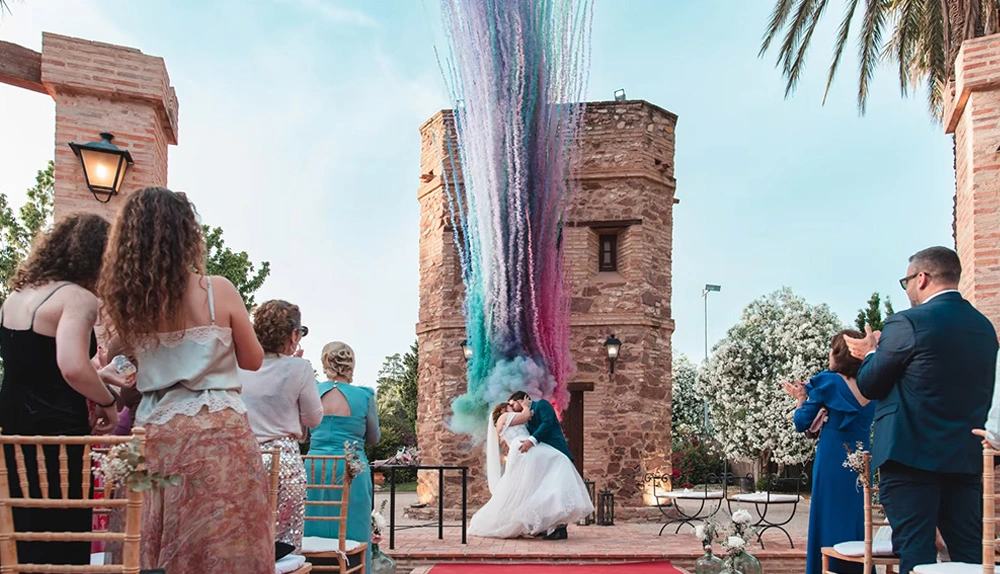
One particularly useful example involved a wedding where the couple wanted colored smoke to appear at the exact moment they kissed. To coordinate the effect, the filming team gave an intercom headset to the operator responsible for triggering the smoke. The operator stayed in contact with the camera crew throughout the ceremony, providing updates and preparing for the planned cue. When the moment arrived, the team was able to coordinate the effect successfully.
This example shows how wireless intercoms can connect camera operators with other event personnel during time-sensitive moments. In wedding ceremony filming, the same approach can help coordinate lighting cues, entrances, and other planned sequences without interrupting the production.
Improving Camera Crew Communication During Wedding Ceremonies
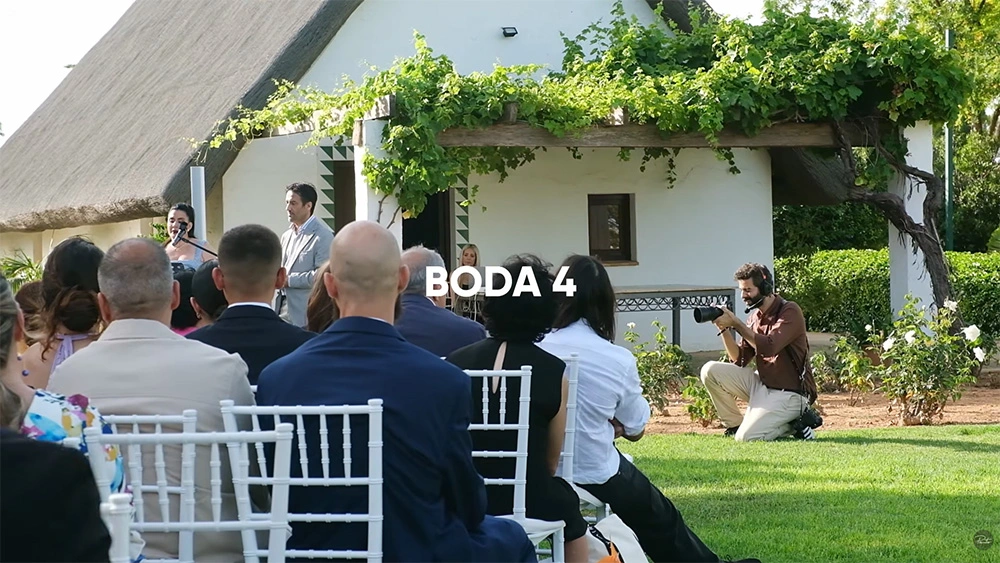
The team also found the intercoms helpful for routine communication between three or four camera operators.
During ceremonies, videographers frequently need to reposition themselves without obstructing another camera's view.
With the WiTalk9 X, operators could quickly ask a colleague to move out of a shot or wait while another camera captured a particular angle.
Instead of relying on gestures or approaching each other, the crew could communicate while remaining at their positions.
For the reviewer, these small exchanges made the filming process noticeably easier.
Which WiTalk9 X Headset Is Best for Different Productions?
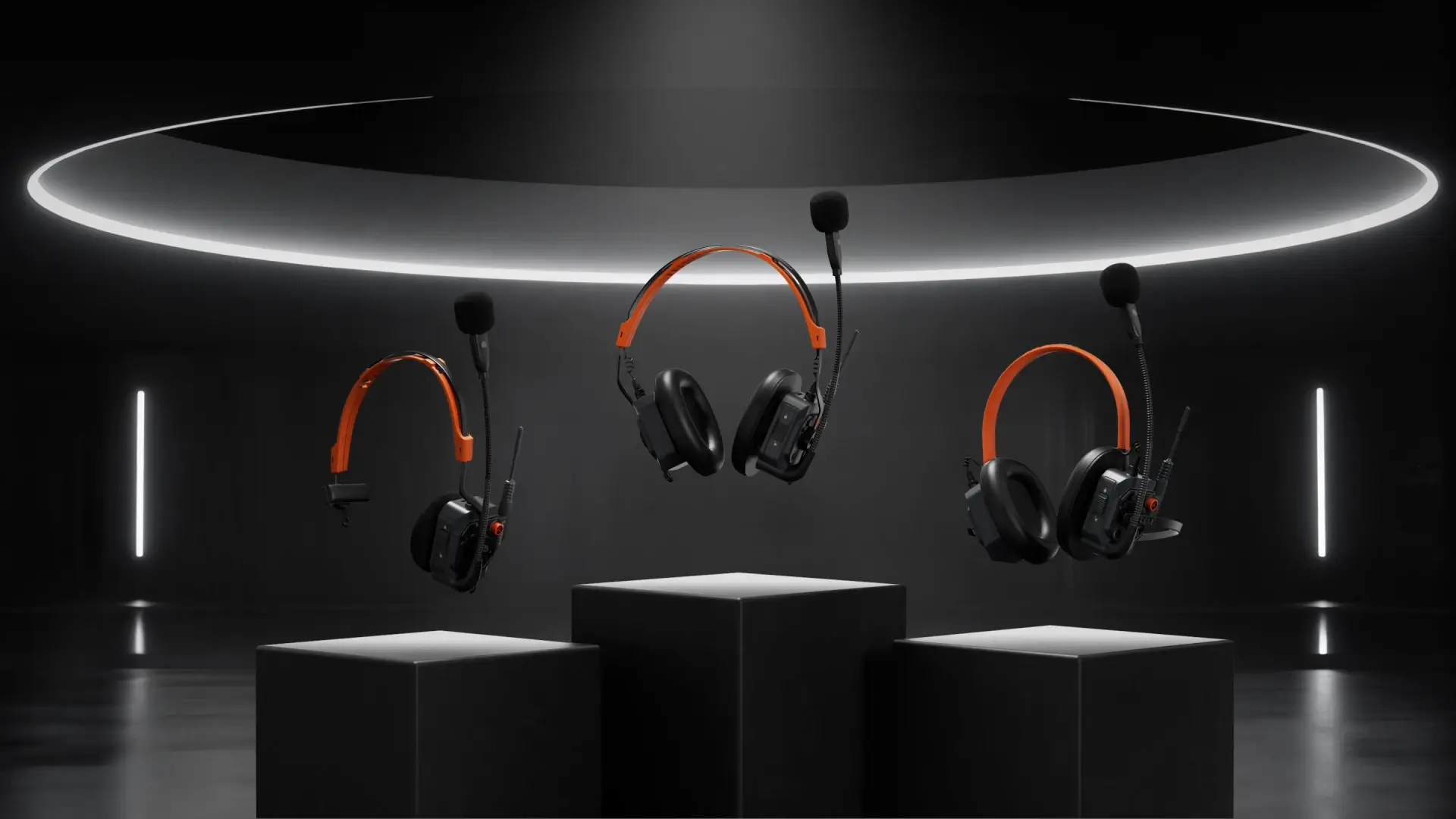
The reviewer tested three headset configurations and found that each suited a different working environment.
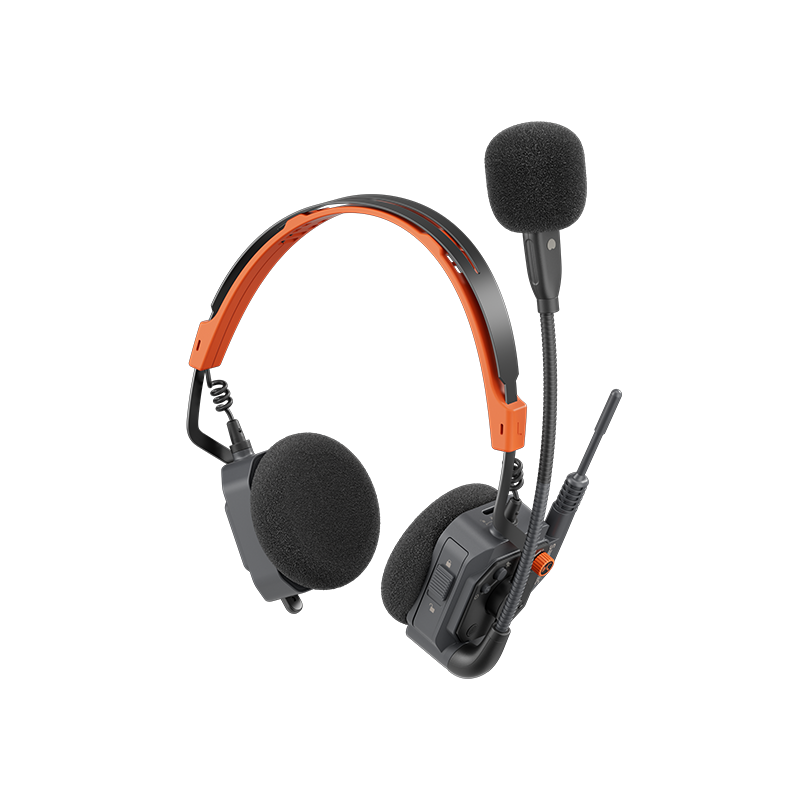
Single-Ear: The Reviewer's Choice for Weddings
The single-ear headset was his clear preference for wedding videography.
Because one ear remains uncovered, operators can hear the ceremony, respond to people nearby, and stay aware of their surroundings while receiving team communications.
The reviewer considered this especially useful during quieter wedding ceremonies, where communication is occasional rather than continuous.
Dual-Ear: For Noisy Production Environments
For concerts, live performances, and other noisy productions, the reviewer preferred the idea of using dual-ear headsets.
Covering both ears helps operators focus on internal communication when surrounding noise becomes distracting.
The trade-off is reduced awareness of ambient sound, which may be undesirable during quieter events.
Helmet: For Productions Requiring Headgear
The Helmet configuration uses a headband arrangement intended for situations where operators also need to wear headgear.
The reviewer suggested applications such as construction-site filming, where protective helmets may be required.
He found the design comfortable but considered the single-ear configuration more appropriate for his wedding workflow.
His recommendation was to choose the headset based on the production environment, rather than assuming one configuration would suit every job.
What Other WiTalk9 X Features Did the Reviewer Find Useful?
Beyond the wedding-specific examples, the reviewer highlighted several practical features.
Hub-free communication and master controls. The WiTalk9 X supports up to nine connected headsets without an external hub. The master headset also includes a broadcast function that allows its user to deliver instructions while temporarily preventing interruptions from other members.
Noise cancellation and simple operation. The reviewer appreciated the dedicated AI noise-cancellation button, microphone muting controls, and spoken status notifications. Raising the microphone boom provides another convenient way to mute the microphone.
Modular construction. Replaceable components make maintenance easier, although converting between headset configurations may require purchasing additional parts, including a different headband.
App management. The reviewer connected the master headset to the mobile app via Bluetooth and reported completing setup in approximately five minutes. The app provides access to connected equipment and system management functions.
Charging and storage. The reviewed kit included a protective carrying case and a charging station capable of charging up to ten batteries, helping the team organize equipment between events.
The reviewer also noted the IPX4 splash-resistance rating, although he did not perform a dedicated weather-resistance test.
Is the Saramonic WiTalk9 X Worth It for Wedding Videographers?
For this wedding filmmaking team, the WiTalk9 X proved to be a useful addition to their production equipment. After several months of real-world use, the reviewer found that the system helped the crew stay organized without adding unnecessary complexity to their workflow.
The value of a wireless intercom ultimately depends on the production. Solo videographers or small crews working on straightforward assignments may not need one. However, for wedding videography teams managing multiple camera angles, coordinated effects, or complex schedules, reliable communication can make a meaningful difference.
For those considering an upgrade to their wedding videography gear, the WiTalk9 X is worth evaluating—particularly when efficient camera crew communication is a priority.
Frequently Asked Questions
How do wireless intercoms help wedding videographers?
Wireless intercoms let camera operators coordinate positions, avoid obstructing each other's shots, and communicate during time-sensitive moments without leaving their filming positions.
Is a single-ear or dual-ear intercom better for wedding filming?
The reviewer preferred a single-ear headset for weddings because it preserved awareness of the ceremony and surrounding people. Dual-ear headsets may be more suitable for noisy productions where greater isolation is helpful.
Can the Saramonic WiTalk9 X work without an external hub?
Yes. The WiTalk9 X supports communication among up to nine headsets without an external hub, allowing production teams to stay connected through the headset system itself.